Join a community of readers who are committed to Jewish stories
Sign up for JBC’s Nu Reads, a curated selection of Jewish books delivered straight to your door!
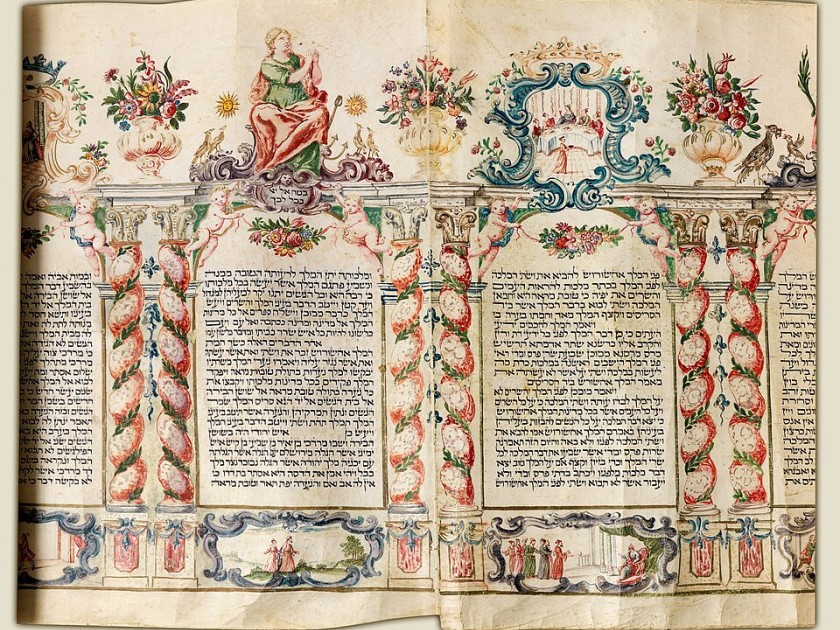
Esther Scroll, 1750, From the Israel Museum Collection via WikiMedia Commons
Purim is a holiday celebrating the drastic reversal of Jewish fate in Persia through the courageous and subversive deeds of Esther. Whether you’re filling and folding your own hamentaschen, preparing to revel all night, or bringing mishloach manot to community members, we know that you’ll be turning to stories to inspire and enliven your holiday festivities. In honor of Purim, we put together a reading list of books that examine the use of costumes and hidden identities, feminine power and social justice, and that explore the legacy of Megillat Esther through retellings and reimaginings. Check them out below.
If you’re looking for a children’s book on the holiday, head to our database here!
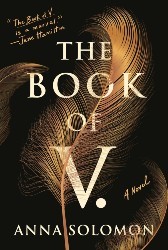
The Book of V. by Anna Solomon
“The story of Esther is often told as the triumph of a Jewish minority over one man’s blinding hatred, through the courage and selflessness of one woman. Anna Solomon’s The Book of V. challenges this simple narrative — asking, what is Vashti’s story? And how do we choose to represent women’s lives, both in the past and today?”
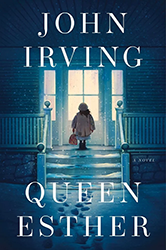
Queen Esther by John Irving
“Throughout this insightful and humorous novel, Irving examines the relationships that bind people together – be they made of blood, devotion, or love. Esther’s choices are guided by her Jewish sense of duty and a strong devotion to Israel.”
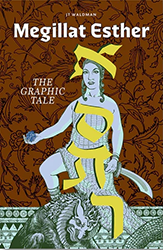
Megillat Esther: The Graphic Tale by JT Waldman
“For more than twenty years, JT Waldman’s Megillat Esther has remained the gold standard for what an illustrated book of the Bible can be. Long out of print, this new full-color edition enhances the black-and-white original and brings Waldman’s vision to a new generation of readers.” ‑From the publisher
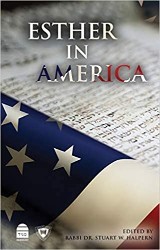
Esther in America by Stuart Halpern
“Esther in America is a splendid collection of essays on the complex history of the Book of Esther in American — and particularly American Jewish — culture. Rabbi Dr. Stuart Halpern has assembled a range of essays from some of today’s sharpest scholars.” ‑Josh Hanft
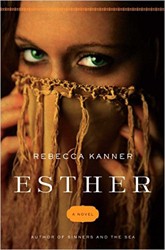
Esther: A Novel by Rebecca Kanner
“The beloved story of Queen Esther is elegantly elaborated and complicated in Rebecca Kanner’s novel Esther… Esther strives to become queen not for riches and fame, but to help bring justice to the land, especially after hearing that certain enemies within the palace are plotting to harm the Jewish people as well as the king himself.” ‑Jamie Wendt
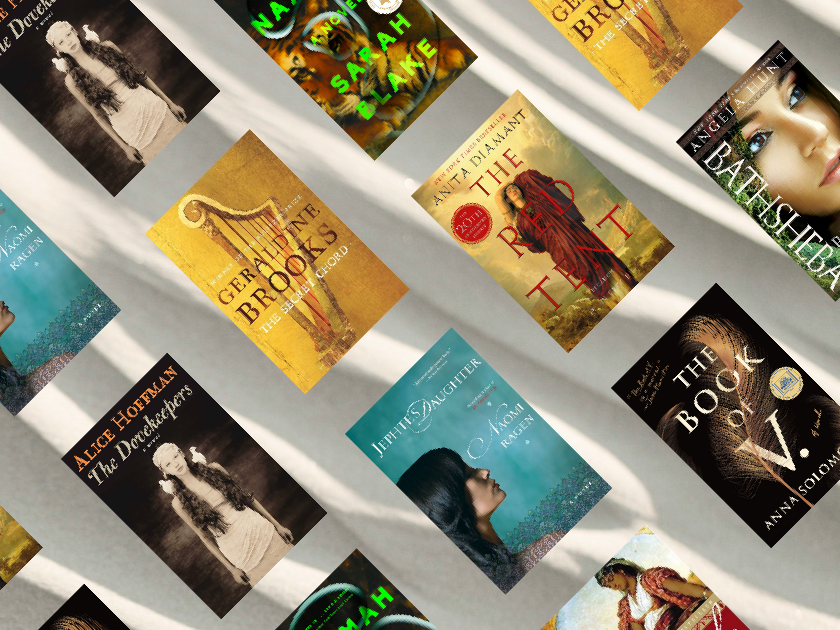
“Biblical Heroines: Eight Novels That Celebrate Women Who Stand for Justice” by Jacqueline Friedland
“While a great many of the celebrated heroes in the Hebrew Bible are mostly men, if you look closely, you can see the text is actually filled with women who shaped Jewish history. Their stories are largely overlooked or incomplete, but they are there. It’s a frustrating and familiar concept.” ‑Jacqueline Friedland
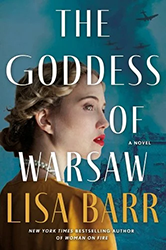
The Goddess of Warsaw by Lisa Barr
“This work of historical fiction details the time before, during, and after the Warsaw Ghetto Uprising. The story moves in time between 1956 and 2005 Hollywood and 1943 Poland during the Nazi takeover.” ‑Miriam Bradman Abrahams
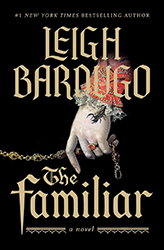
The Familiar by Leigh Bardugo
“Luzia’s outward appearance as an illiterate Catholic servant is at war with her Jewish heritage and the half-forgotten Hebrew phrases and rituals that tie her to her deceased parents. In order to survive, she must maintain her facade, attending mass frequently and eating pork publicly.”
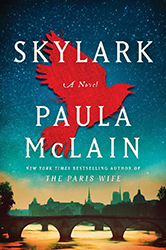
Skylark by Paula McLain
“Paula McLain’s sweeping new novel poses the question: what would you sacrifice for your or others’ freedom? Spanning two timelines in Paris, one in the mid-1600s and the other in the mid-1900s, this book deeply immerses readers in its vibrant setting.”
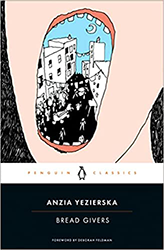
Bread Givers by Anzia Yezierska
“Bread Givers follows the story of Sara Smolinsky, a Jewish immigrant in the early 1900s who is determined to escape the fate of her three older sisters: a life dictated by the wills of men. Their father is a religious zealot who lives off his daughters’ wages, dooming them to lives of hard labor and unhappy marriages.” ‑Adina Applebaum
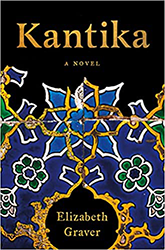
Kantika by Elizabeth Graver
“The story of Kantika, based on the life of Graver’s grandmother, opens in Constantinople in 1907 and spans five decades, making stops in Barcelona and Havana but ultimately ending in New York City in 1950. While modern Jews everywhere are suffering as a result of the two World Wars, it’s also a period of great upheaval for Sephardic Jews in Islamic lands — in this case, Turkey.” ‑Nina B. Lichtenstein
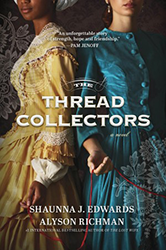
The Thread Collectors: A Novel by Alyson Richman and Shaunna Edwards
“Through deft writing and empathic characters, Edwards and Richman touch on many themes: the strength of women to overcome adversity, the sacrifices of motherhood, the ability of shared passions to connect strangers, the ingenuity that bridges divisions, and, ultimately, the ideas people dream up to restore power to the powerless” ‑Linda F. Burghardt
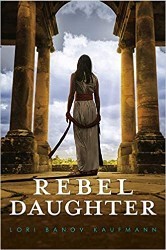
Rebel Daughter by Lori Banov Kaufmann
“Constantly questioning the cultural norms that prohibit women from learning, Esther convinces her father to teach her to read and study, not only Hebrew but also Greek. She observes him enacting the complex ceremonies of Temple sacrifice and feels viscerally connected to the Jewish people, even more so as their lives become progressively more threatened.” ‑Emily Schneider
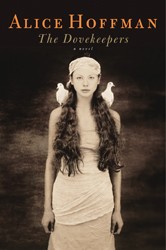
The Dovekeepers by Alice Hoffman
“Two women and five children survived the massacre, according to first-century Jewish historian Josephus. Hoffman builds upon his ancient account, using it as a starting point to tell the stories of four women whose divergent paths brought them to Masada” ‑Jaclyn Trop
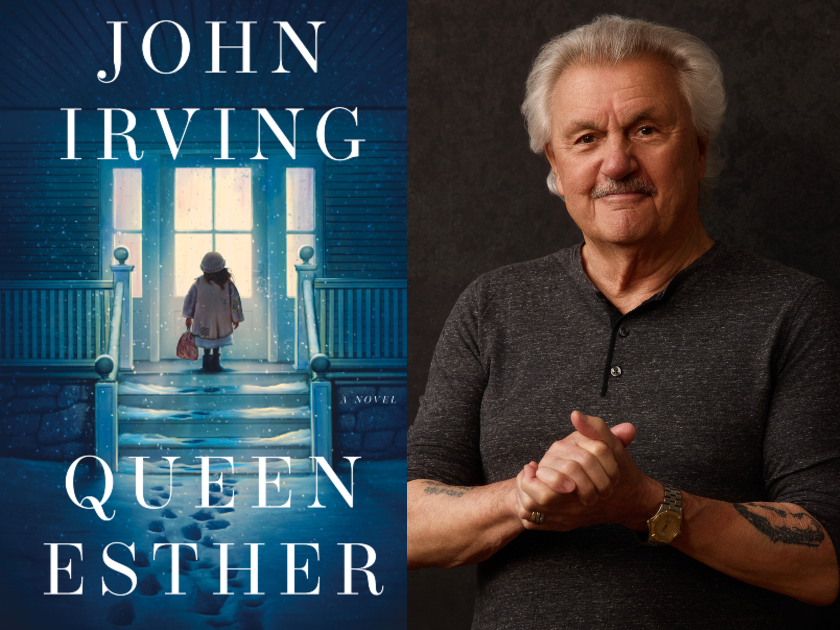
“A Queen Esther for the Twentieth Century: A Conversation with John Irving” by Simona Zaretsky
“I wanted my Esther to share the biblical Esther’s need to hide her Jewish identity and the biblical Esther’s way of revealing herself on her own terms.” ‑John Irving
“On Fairy Tale Retellings” by Ava Reid
“The characters from Jewish folklore that populate my book, such as the golem or Queen Esther, are not immediately legible to a wide audience. I knew most readers of the book would not recognize triangular jam-filled cookies as hamantaschen, or understand the significance of the Golem of Prague story as it is retold by the main character’s Jewish father.” ‑Ava Reid
Simona is the Jewish Book Council’s manager of digital content strategy. She graduated from Sarah Lawrence College with a concentration in English and History and studied abroad in India and England. Prior to the JBC she worked at Oxford University Press. Her writing has been featured in Lilith, The Normal School, Digging through the Fat, and other publications. She holds an MFA in fiction from The New School.