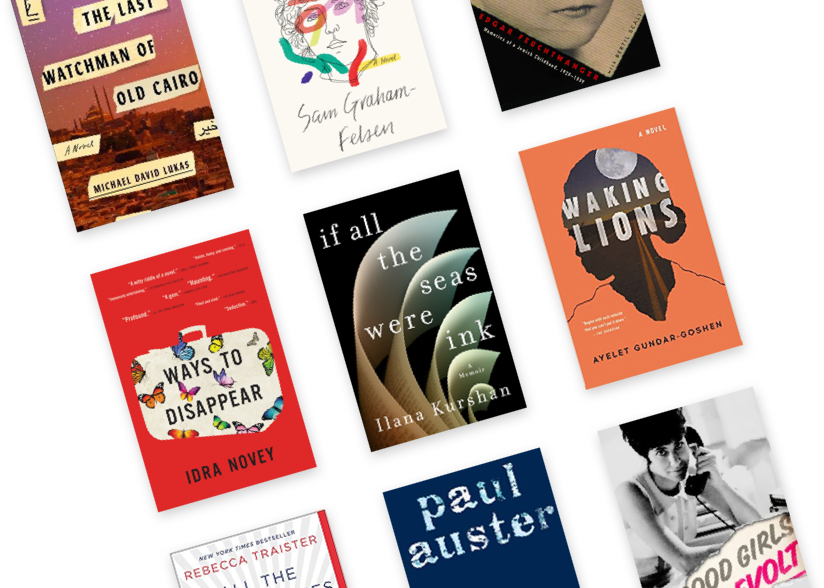
Reading Dual Identities: Living in Meier’s Shadow by Arthur Myron Horwitz is like a visit with an old friend who’s in the mood to tell you his life story. Horwitz is chatty, funny, and insightful as he reminisces about a long life and his busy family. At all times, his story is shadowed by his mother’s loss of her family — especially her younger brother Meier for whom Horwitz is named — in the Holocaust as well as by her experiences as a girl during the war.
Dual Identities begins with Horwitz’s parents: his mother, who survived a German labor camp and came to the US as a refugee, and his father, the son of a New Haven shop owner, who spent most of his life in the same small city. Horwitz grew up among the griner Holocaust survivor community in New Haven (griner was an affectionate term used in the community and means greenhorn); he eavesdropped on their kitchen table conversations, and often sought refuge from his stressful home life at the stables at Yale University.
Early on, Horwitz learns that he cannot live up to the ghostly legacy of his uncle Meier. Nonetheless, he manages to find his own way. Horwitz marries into another griner family — his wife’s mother is also a survivor — becomes a journalist, and has a full and interesting life. As an adult he learns to better understand his mother and what drove her “to survive; restart her life; Americanize…tell her story.” His mother was determined that she would be remembered as “more than a number.” Although burdened by his mother’s traumatic past, Horwitz learns to value her history and embraces his role as a second-generation witness to the horrors of the Shoah.
Late in his career he becomes publisher of the Detroit Jewish News. After a devastating fire in 2002 destroys the paper’s central offices, Horwitz decides to create a digital archive of the paper, covering Jewish life in Detroit from 1942 onwards. (Some of my own family history is preserved in those pages thanks to Horwitz.) Through his publishing career, public appearances, and now his memoir, Horwitz continues to pay tribute to his dual identities as both an American Jew and the son of a survivor.
By sharing his life story, and that of his parents, Horwitz adds to the growing literature by the children of survivors. Their memoirs remind us of the multigenerational legacy of trauma and the ongoing relevance of remembering the Holocaust.